Searching for wine in Chile


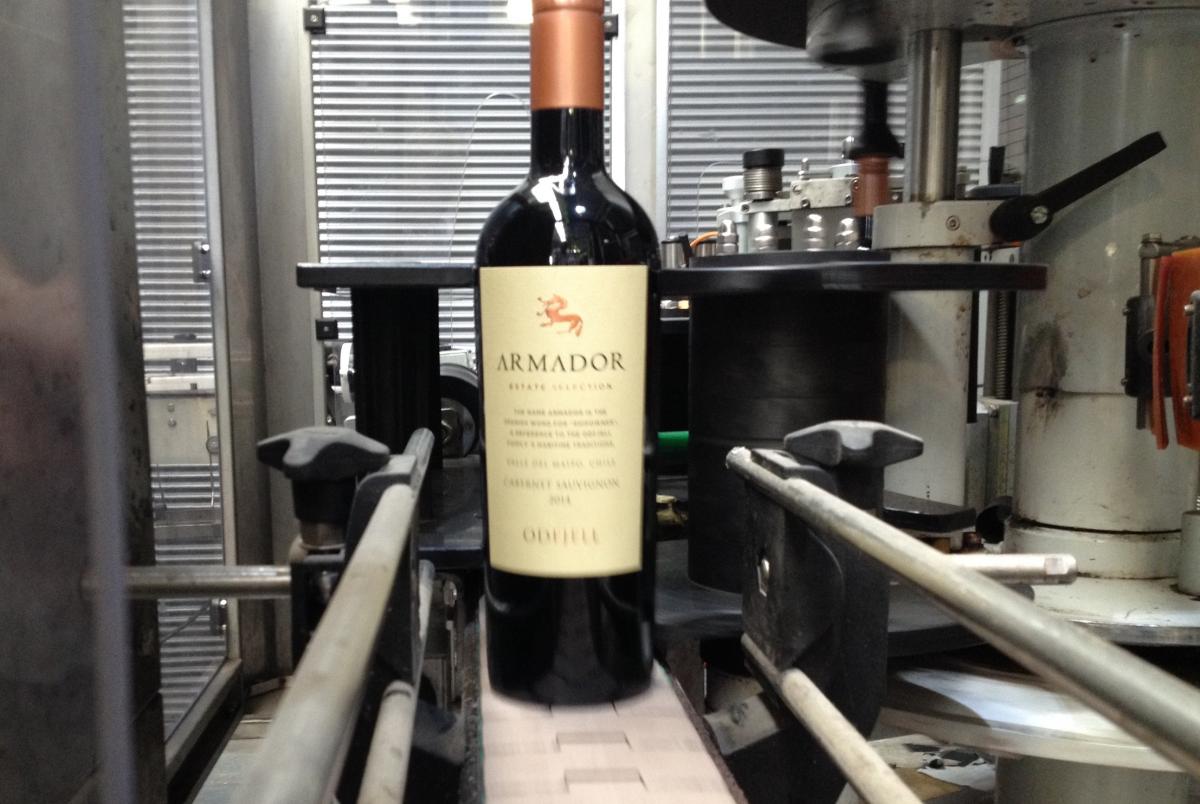
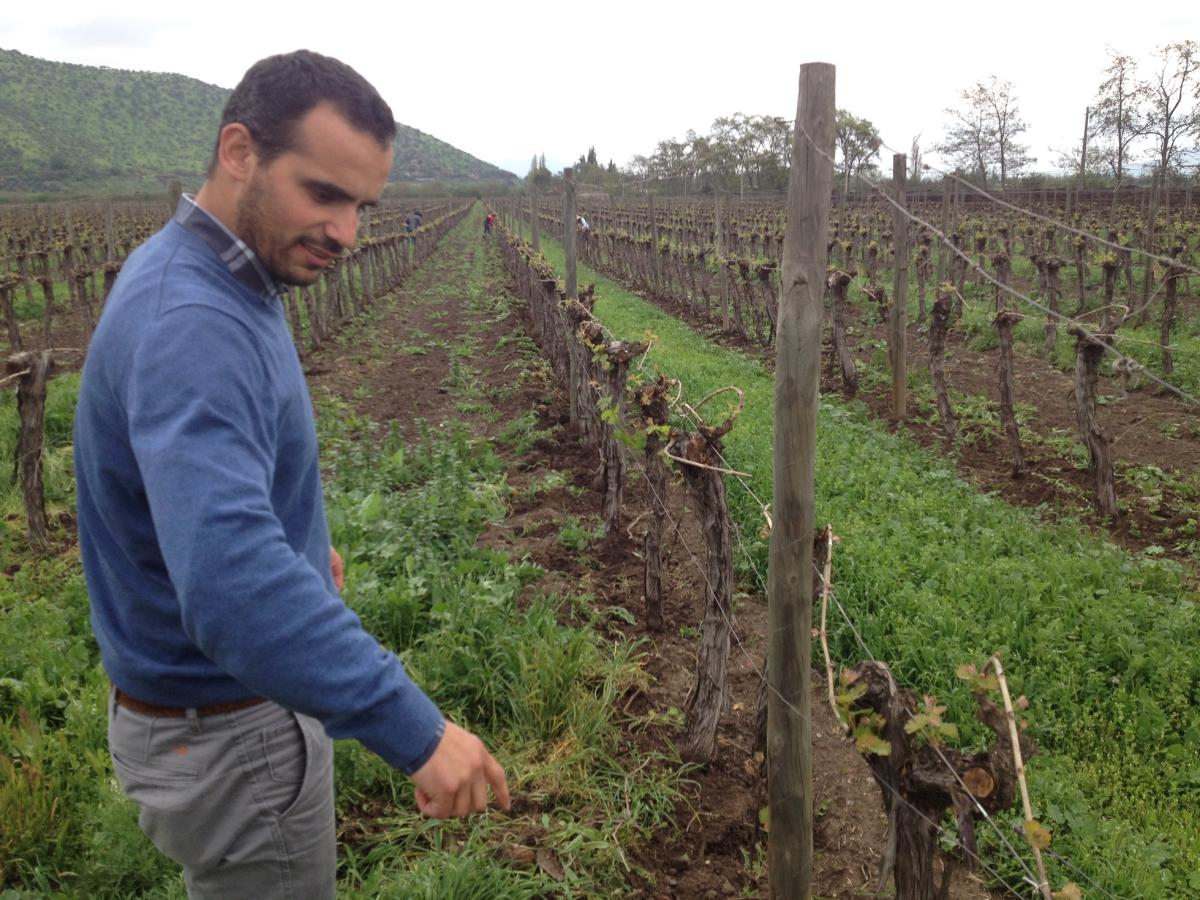
(2015-10-08) Torgeir Higraff writes from Chile: On the western coast of Norway my mother was raised with nine brothers and sisters as a worker in the fields and mountains only helped by the Norwegian Fjord Horse. For that reason it was relatively easy to choose the wine for our expedition, even in Maipo Valley, Chile. The first thing I noticed in the Odfjell wineyard was several horses of this strong breed, one of the oldest in the world. Then Tomas Uribe presented me to how wine can be made in a sustainable way, and the many challenges in the production line. I share Uribes passion, but not his expertise! The wine we will enjoy in calm days on our rafts is named after what we pick up in huge numbers every night from the bamboo deck, flying fish.
The armada of Chile supports Kon-Tiki2

(2015-10-06) Torgeir Higraff, the Kon-Tiki2 expedition leader writes from Valparaiso: Today I had the pleasure of meeting Rear Admiral Mr José Miguel Rivera Sariego, Deputy Chief of the Estado General High Command of the Chilean Armada. I was received very well in the headquarter in Valparaiso in the office of the admiral. What Mr. Rivera Sariego said I will never forget; "The safety of people in Chilean waters is of great interest of the Chilean Armada, so naturally one of the greatest search and rescue vessels in the world will be stand by for Kon-Tiki2". We are proud to have the generous support from the naval forces of both Peru and Chile – in the name of science.
Logs arrive at shipyard


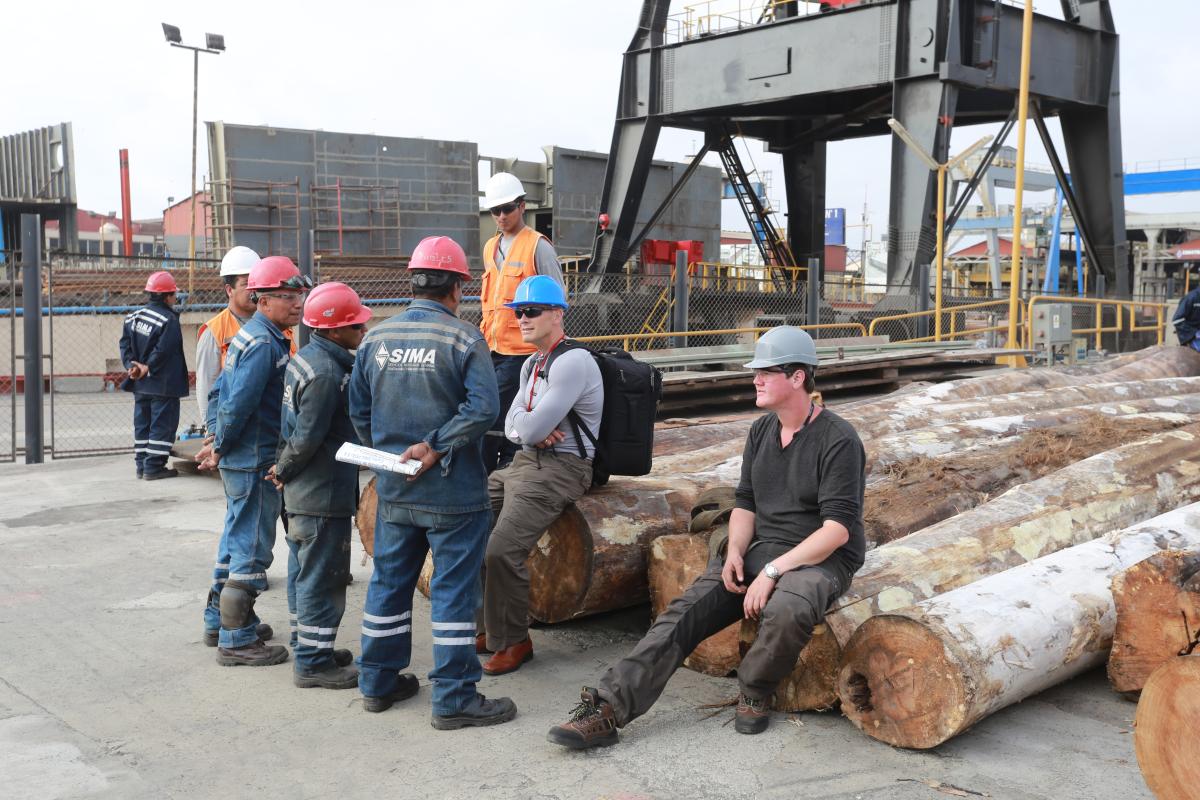
(2015-10-02) We are overjoyed to finally have balsa logs at the SIMA shipyard where the rafts will be built. Two containers with 11 meter logs arrived today. These logs will be used as crossbars, on top of the main logs (which are 17 meters longs).
GE provides Portable Ultrasound Equipment

(2015-10-01) GE Vscan Dual Probe is an amazing tool when it comes to examine patients at the accident site. Instead of bringing the patient to the machine, it's now possible to bring the machine to the patient. This is a great advantage when treating severely ill patients, when the doctor wants to take a "quick look" at the bedside, or in prehospital environments, like at the Kon-Tiki2 Expedition. In a worst case scenario, the Vscan can help the doctors on board the rafts identify internal bleedings, heart failures, pneumothorax and other acute diseases. In addition, it can be an excellent tool for needle guidance. Hopefully it will NOT be used, but to have it on the raft will increase the safety for all the crew. In the photo: Håvard Giske, Lead Project Integrator, GE Vingmed Ultrasound AS and Pål Børresen, XO on Rahiti Tane.
Raftbuilders arriving in Peru


(2015-09-27) After two weeks of hiking in the Andes, a team of boatbuilders has arrived at the coastal town of Callao in Peru. Hosted by the Peruvian Navy, the team stays at the Escuela Naval del Peru.
Building and testing raft models
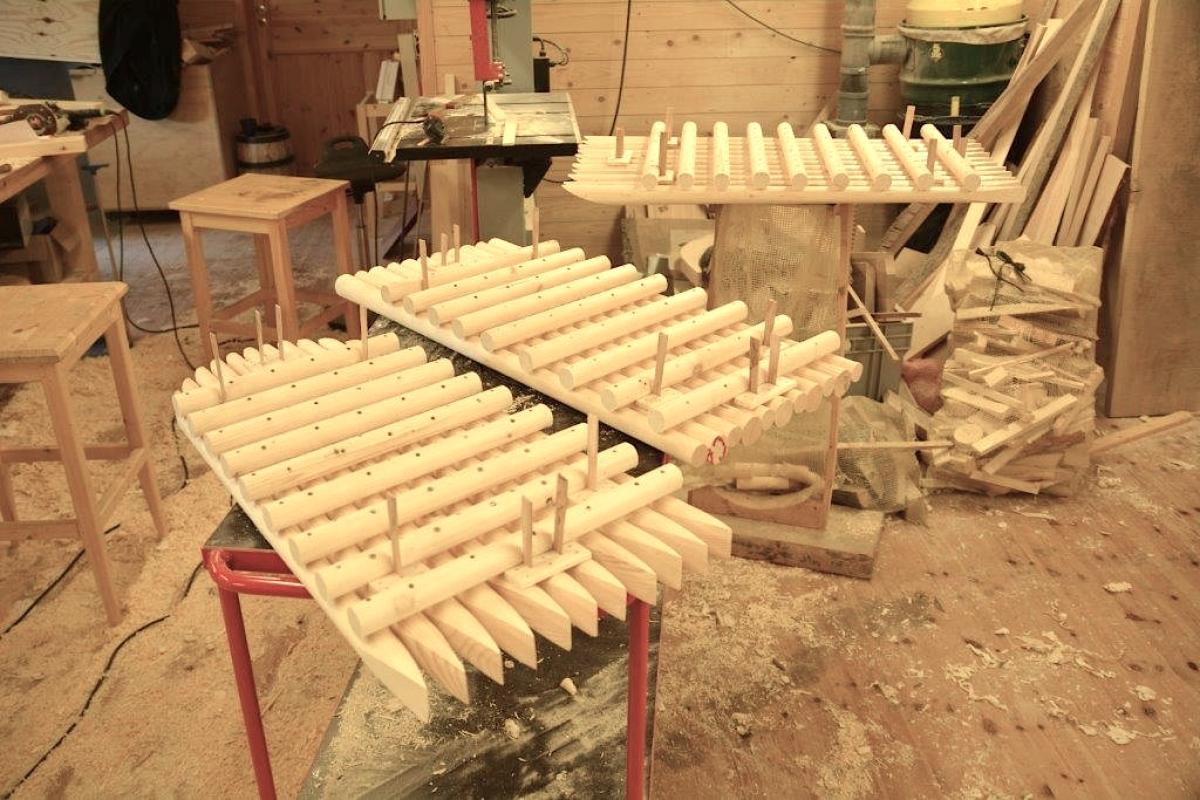
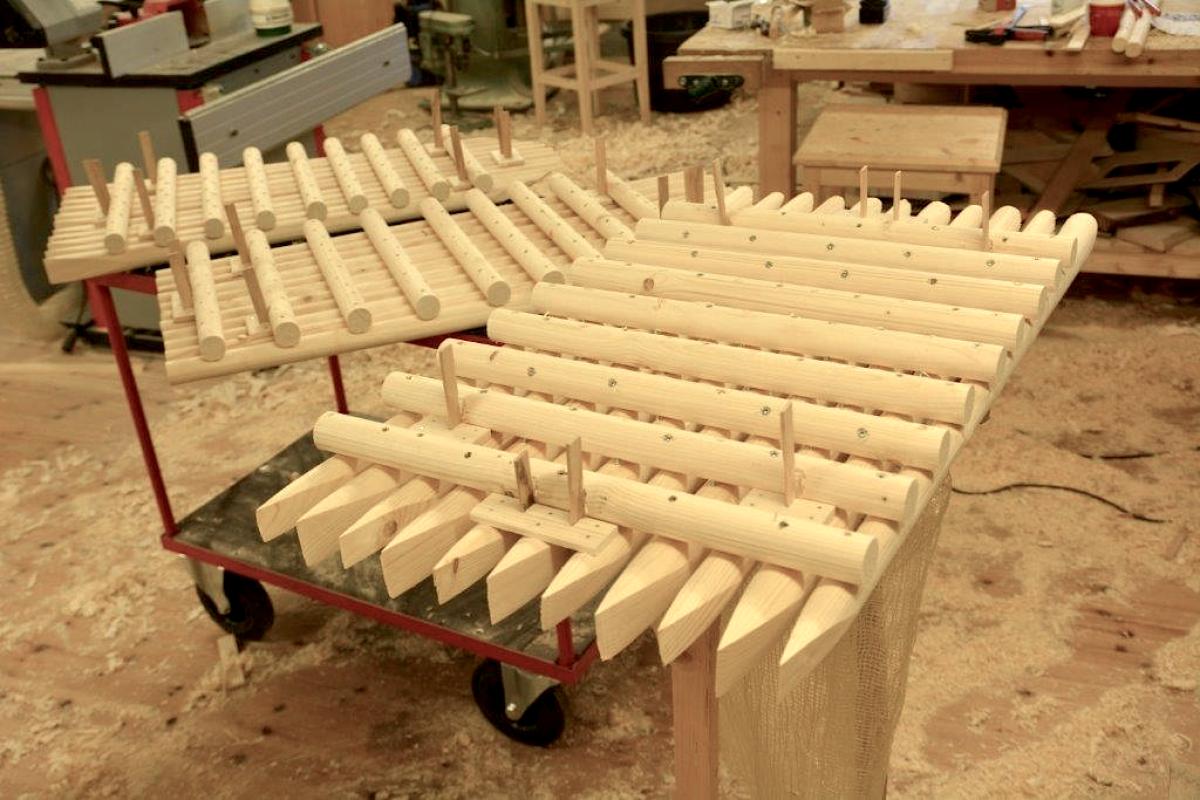
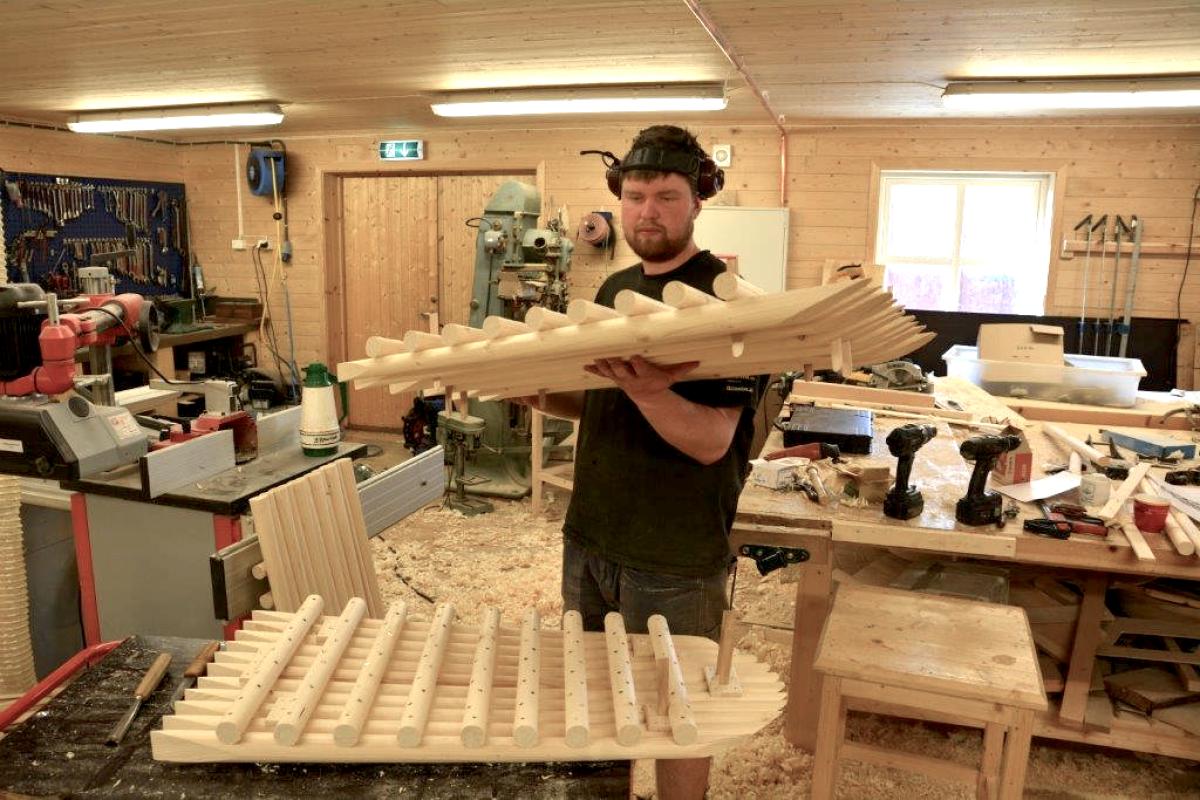


(2015-09-03) How should one best build a balsa raft? Pointy front? Shaped logs? Does it make a difference? Crew member Ola Borgfjord (seen in the picture) has build several models along with his father, Einar Borgfjord. The results indicate that a curved front and tapered logs in the back will be a good choice for the rafts.
Balsa trees on their way to Peru


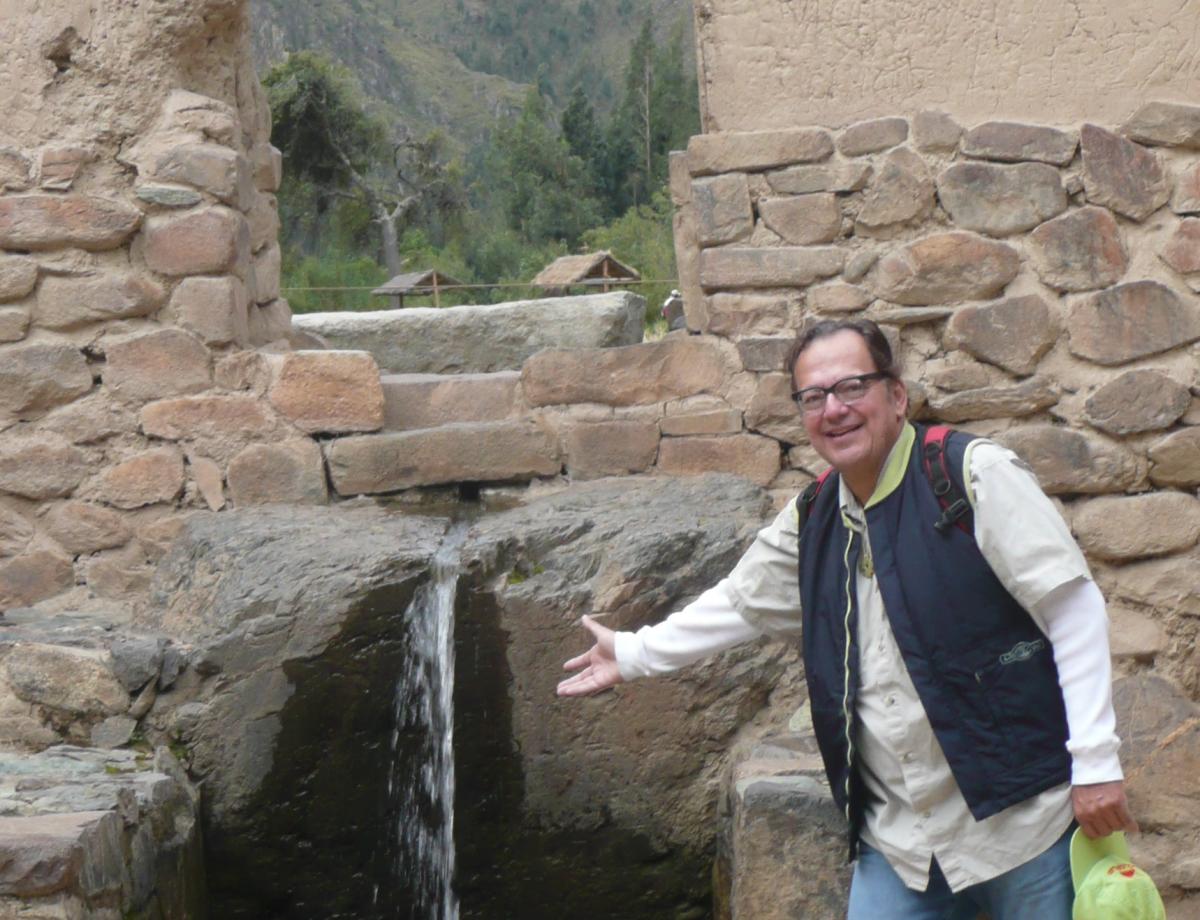
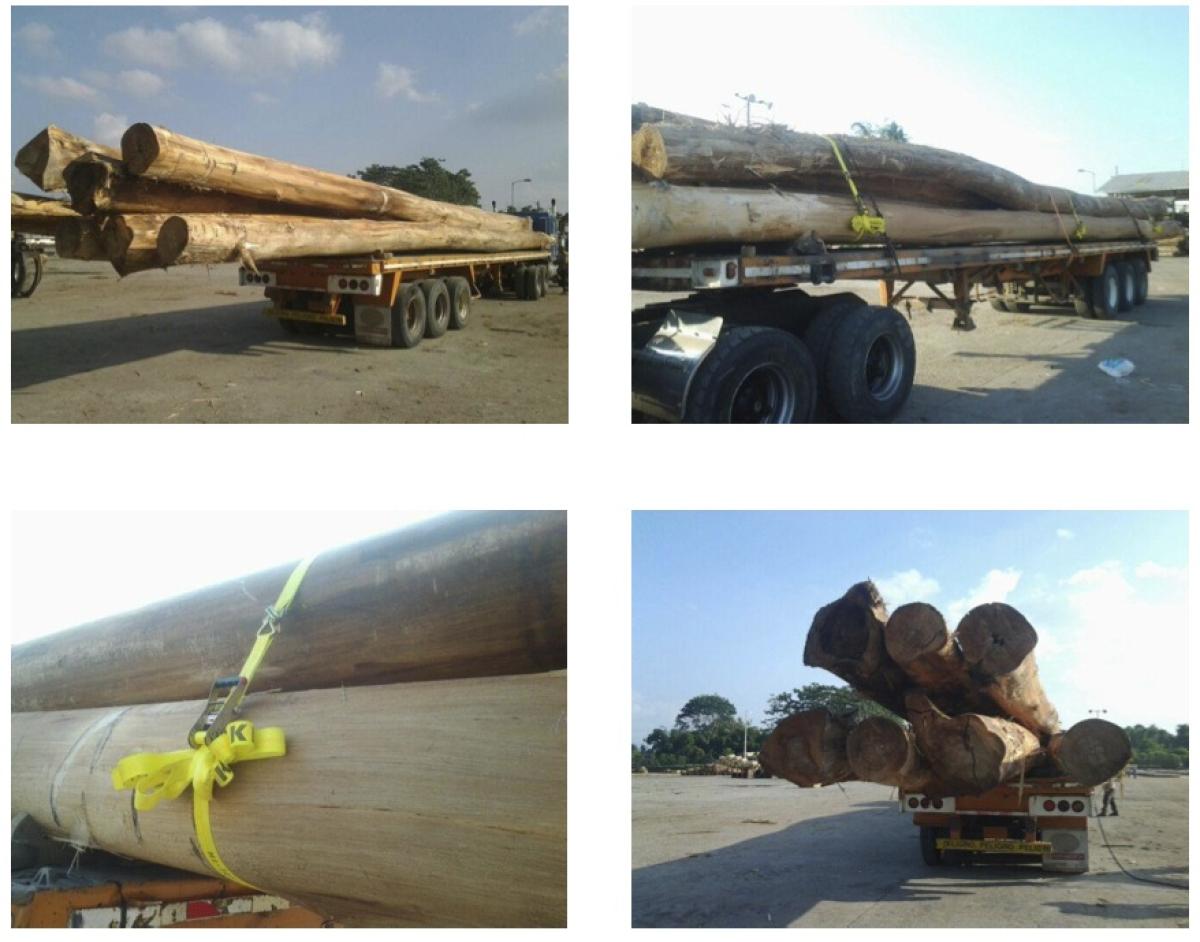

(2015-08-31) Now that the balsa trees are on their way to Peru and the expedition moves location from Ecuador it is time to highlight a few of the team members who will not sail on the logs. On the topic "archaeology of Ecuador" Gustavo Costa von Buchwald has been consulting Kon-Tiki2. The Canadian-born Ecuadorian argue that trade – and the human urge to know the unknown – always was the motive for long distance voyages.
"My relation with the Kon-Tiki dates to 1947, when Thor Heyerdahl contacted my grandfather, Gustavo von Buchwald, also called the King of Balsa in Ecuador, for the supply of balsawood for his expedition. The idea of pre-Columbian long distances voyages has fascinated me all my life. How could 'primitive people' have the knowledge and courage to travel so far away?"
Gustavo Costa von Buchwald has a Master in Archaeology from Guayaquil Ecuador and is a Member of the Academy of History of Ecuador. He has published four books and 47 articles about archaeology, anthropology and ethnology of Ecuador and Peru.
"As a scientific adviser to the Kon-Tiki 2 expedition, I highlight the facts proving that the pre-Columbian world was connected with other parts of the Pacific. The expedition will also help us to consider the negative impact that our "progress" causes on the oceans and environment. The planet earth is the only place we humans can live."
Another Ecuadorian member of the team is the engineer Carlos Giler Hidalgo who also lives in Guayaquil. As one of the experts on balsawood trees working for 3AComposites he has been consulting not only Kon-Tiki2, but also Tangaroa ten years ago (photo of Olav Heyerdahl, Carlos Giler and the coral snake). To pick the best trees for the expedition is one of the most crucial tasks to achieve success.
Scientific workshop at Marintek


(2015-08-26) Marintek, one of the blue planet's foremost marine research labs, hosted a workshop on scientific research onboard the Kon-Tiki2 rafts. Due to the rafts' slow movement through distant parts of the Pacific, the expedition may provide valuable observations. For example, plastic pollution can be measured, as can oxygen levels, salinity and water temperatures. In the pictures, Kon-Tiki2's chief scientist, Cecilie Mauritzen, is discussing with NTNU professors Asgeir Sørensen and Geir Johnson. Meanwhile, Håkon Wium Lie learns how to measure the clarity and color of the sea.
Oslo bakery provides food for hungry Kon-Tiki2 crew


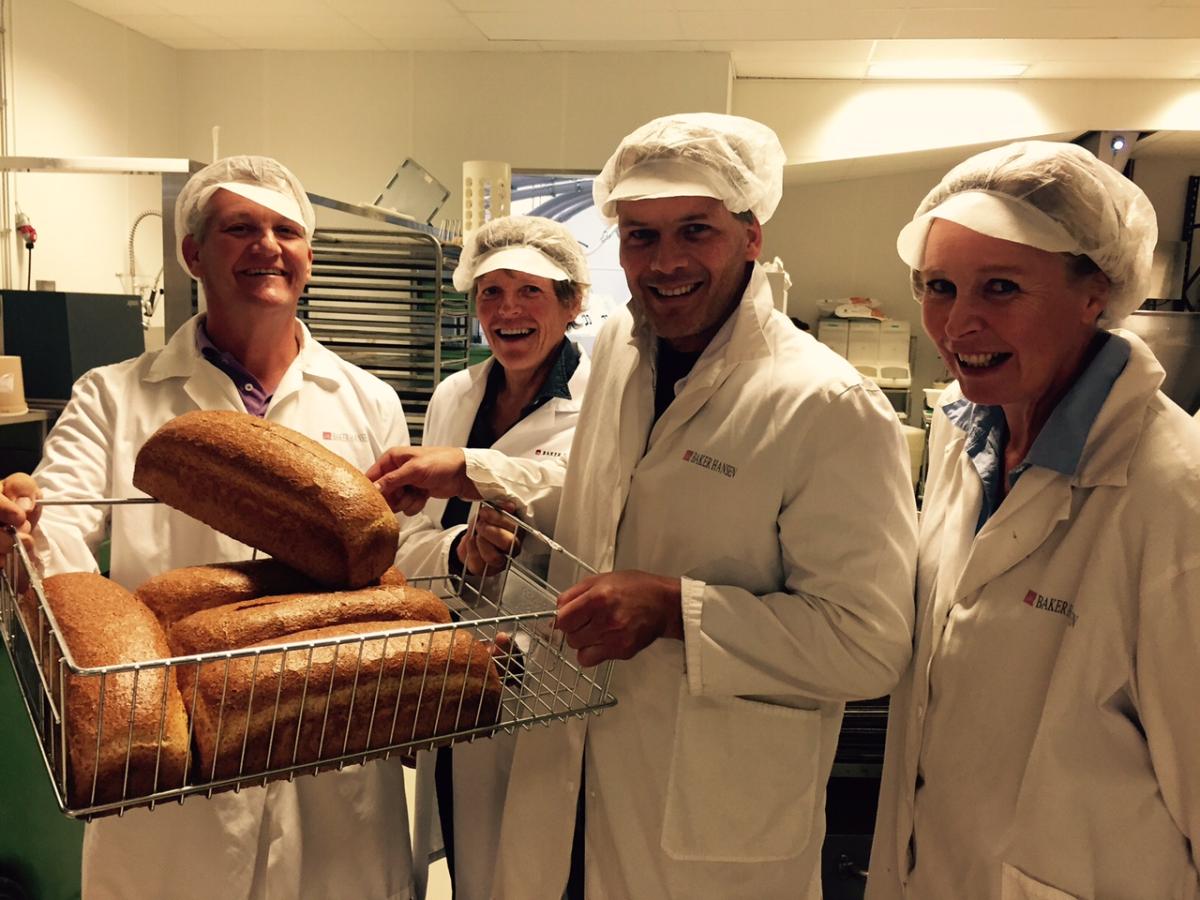
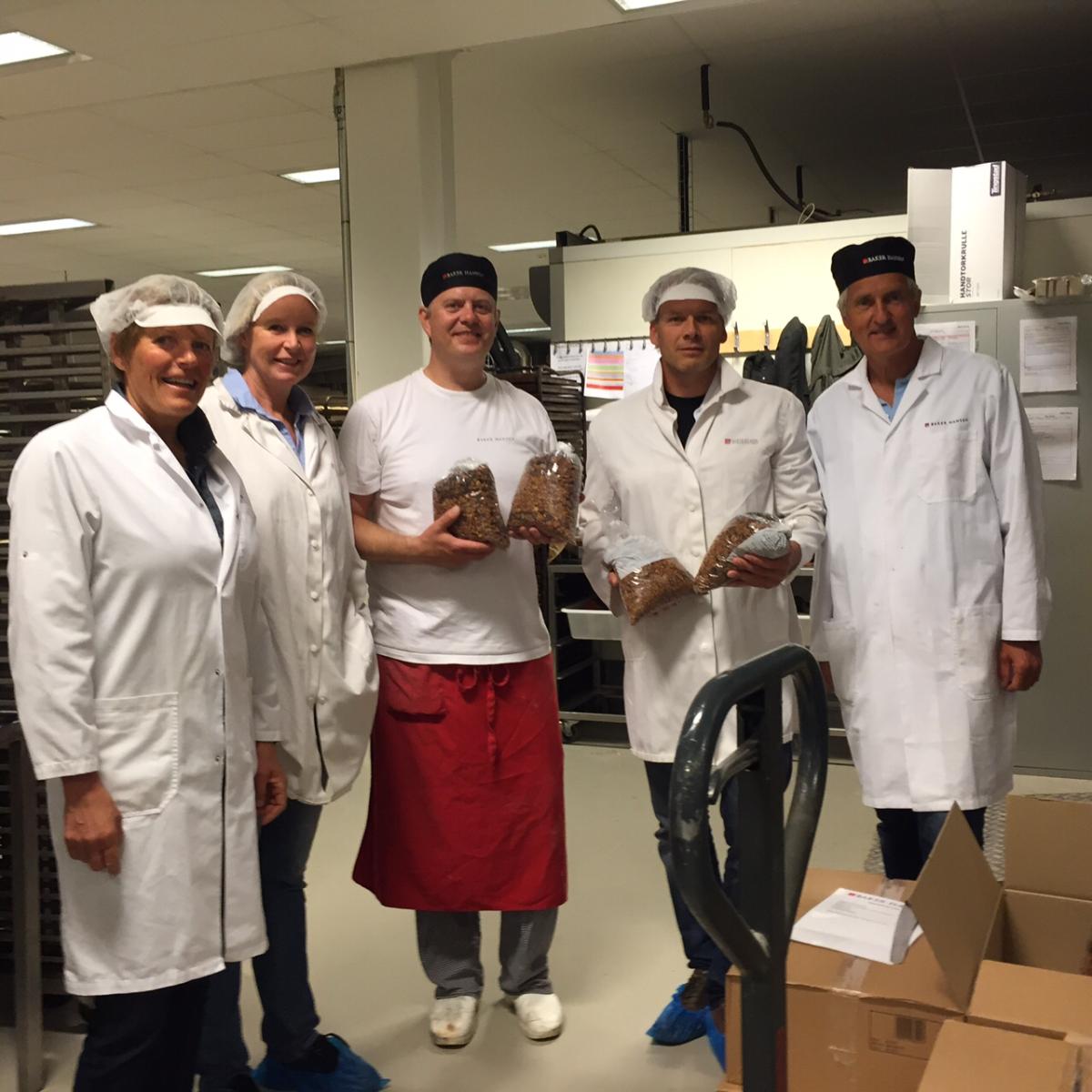
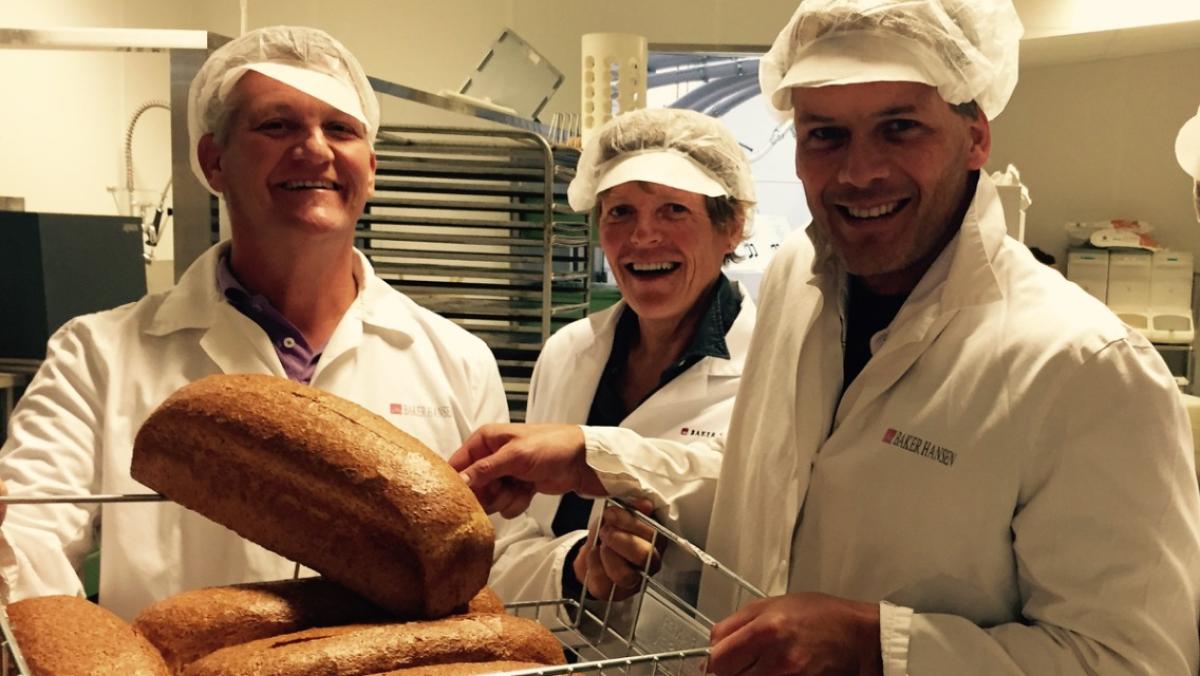
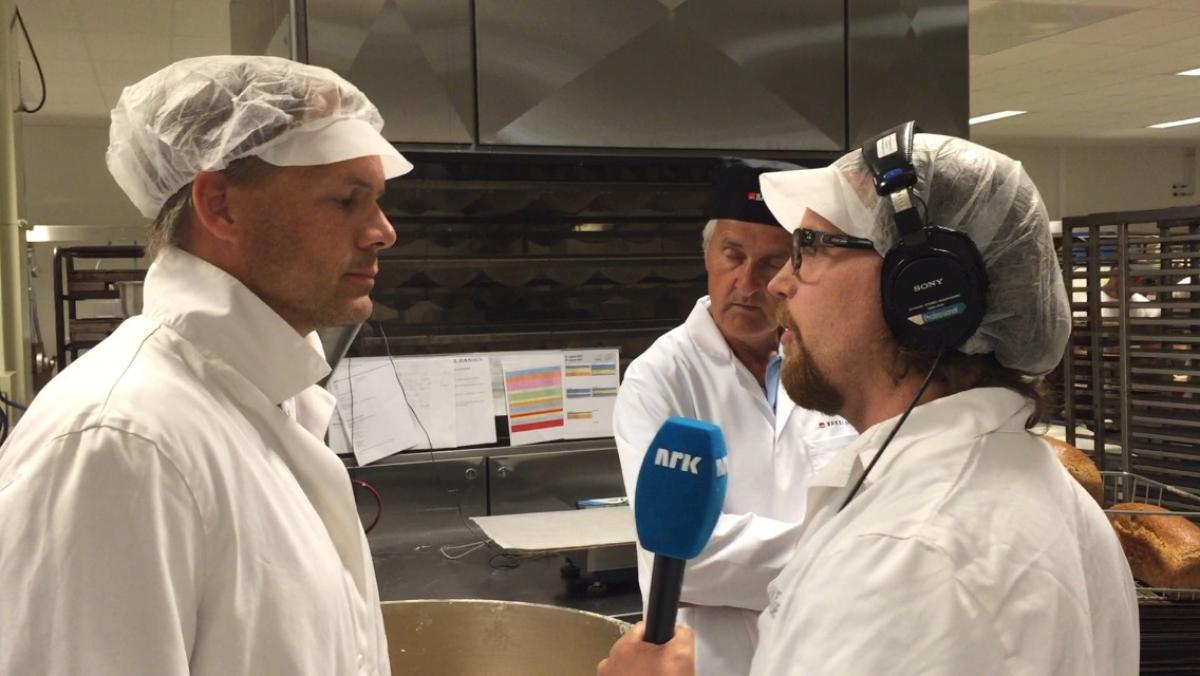
(2015-08-25) Founded in 1861, Baker Hansen is an Oslo-based baking company. In 1893, they sponsored the polar expedition of Fridtjof Nansen, providing bread for him and his men. Now, 122 years later, Baker Hansen is still in business and is still sponsoring explorers and their expeditions. Taking into account that fresh water is a valuable commodity on ocean-going expeditions, Baker Hansen has created a specially crafted flour mixture, one that mixes with 80% salt water and 20% fresh water. The crew of the Kon-Tiki2 expedition will enjoy freshly baked bread every morning of their trip. The rafts will carry sufficient flour mixture to bake 350 loaves, thanks to the sponsorship of Baker Hansen. In the pictures, Morten Hals CEO and his son Knut Andreas Hals meet with members of the crew.
Radio Medico provides medical training

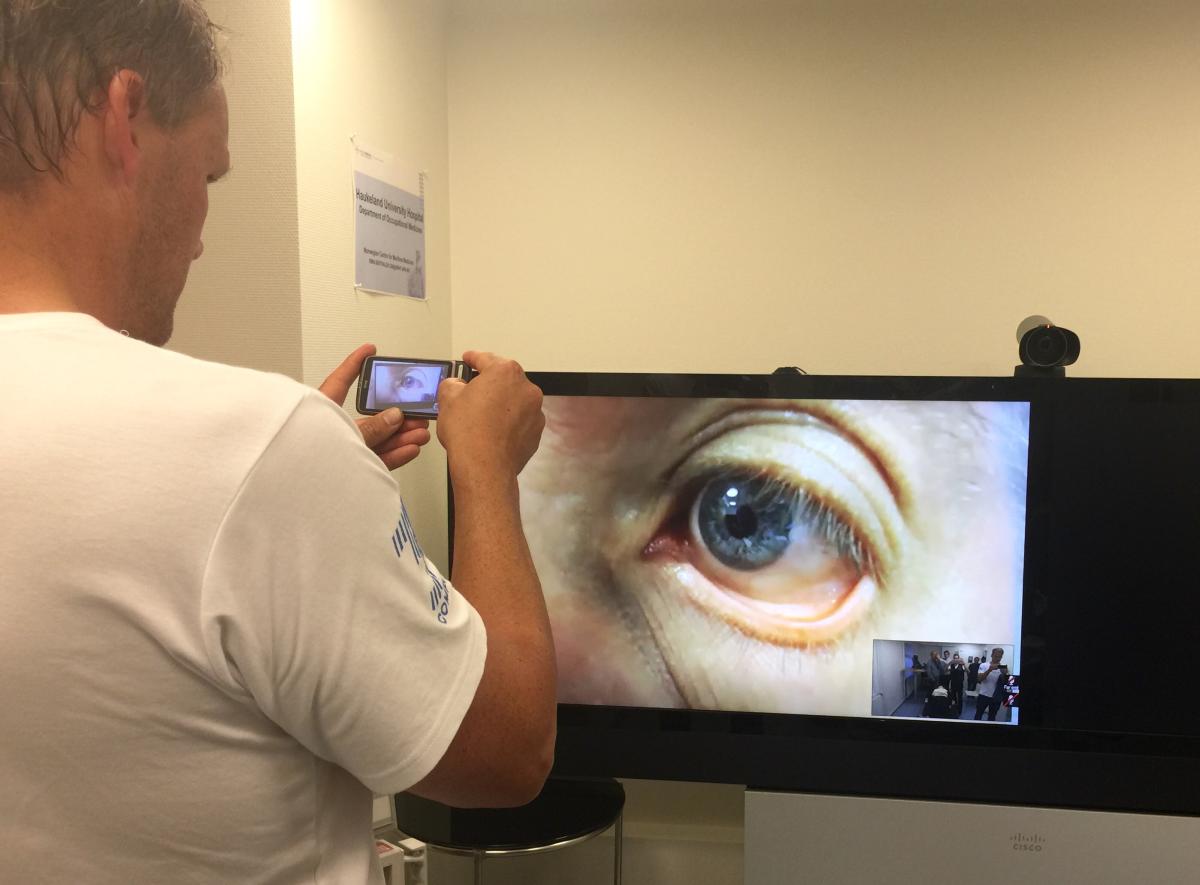


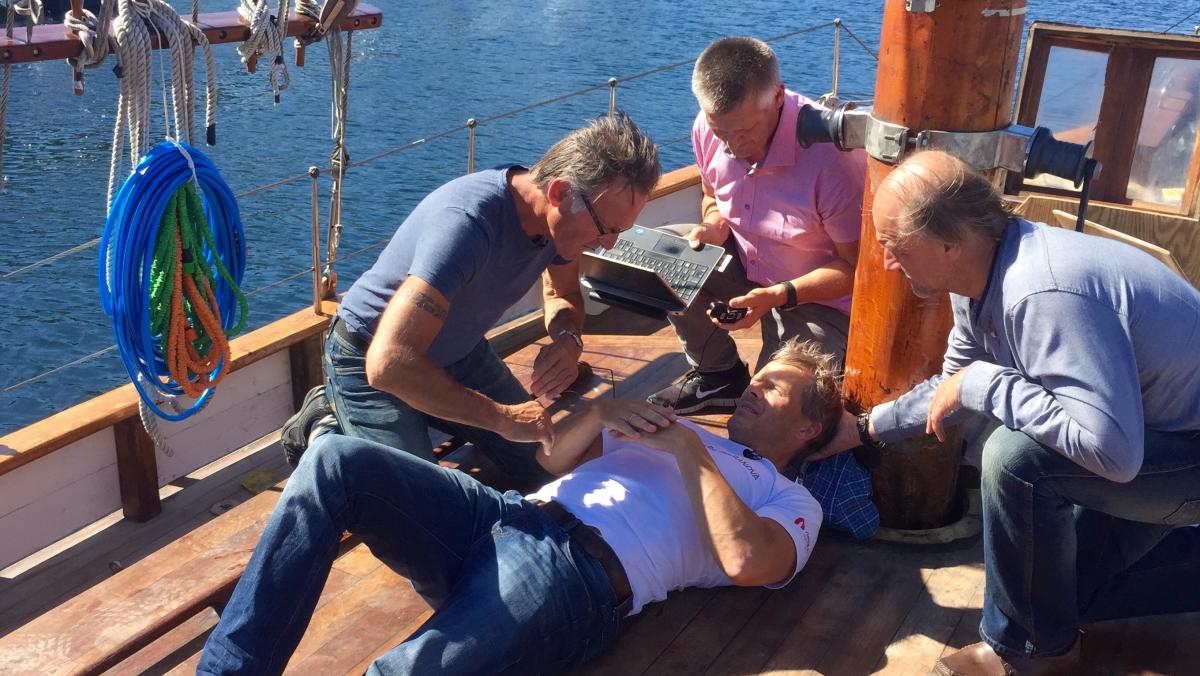

(2015-08-18) Radio Medico at the Haukeland Hospital in Bergen is a centre for maritime medicine in Norway. Today, they provided high-tech medical training for the Kon-Tiki2 crew. The rafts will have two onboard medical doctors, Boris Romanov and Sergey Goltsov, who were introduced to the services Radio Medico can provide. For example, Radio Medico can provide a second opinion before treatment of an illness starts. It will be possible to call Radio Medico from satellite phones onboard the rafts. The training focused on how to communicate and provide the specialists at Haukeland proper facts about the patient. TV2, a Nowegian broadcaster, covered the event.
Meeting with Mayor of Asker

(2015-08-14) Torgeir Higraff and Pål Børresen, both from the Asker area west of Oslo, visited the Mayor of Asker, Lene Conradi. She showed great interest and enthusiasm for the Kon-Tiki2 expedition.
Gylling provides batteries for Kon-Tiki2


(2015-08-14) Gylling Teknikk AS is a provider of top-of-the-line batteries. Among their customers is Redningsselskapet (Norwegian Society for Sea Rescue), who work in challenging maritime enviroments. Kon-Tiki2 will use a solar panel system to charge batteries. In turn, these batteries will run various electonic devices, including life-important satelite transceivers. In the picutres, Einar Tolpinrud, head of the battery unit at Gylling, hands over suitable batteries to Torgeir Higraff, Kon-Tiki2 expedition leader. Håkon Wium Lie, who is in charge of all electrons onboard the rafts, used the opportunity to ask questions about optimal charging strategies. Suitably, the batteries were transported in an electic car.
Brynje provides underwear for Kon-Tiki2


(2015-08-13) Most known for polar expeditions, "Brynje of Norway" has a few underwear-designs much similar to the viking armour. The Tangaroa Expedition was supported by Brynje in 2006 across the Pacific in the wake of Kon-Tiki with average temperatures of 22 degrees, but it turned out to be necessary with warm underwear specially during nightwatches. Øyvin Lauten, then XO on the raft, preferred to use the polar equipment from Brynje every night – and he still wears it after 9 years! Kon-Tiki2 will sail in much colder temperatures than Tangaroa. The manager, Bjørn Jacob Melsom, makes sure that all crew members will stay warm, from Peru to Easter Island and back to South America in the Roaring Forties.
Meeting the Chilean ambassador to Norway


(2015-08-12) The Kon-Tiki2 expedition today met with the Chilean ambassador to Norway, Sr. José Miguel Cruz Sánchez. Expedition leader Torgeir Higraff, along with Pål Børresen and Håkon Wium Lie, presented the expedition and discussed various ways to collaborate. Like Norway, Chile has a long coastline and the rafts will spend much time in Chilean waters.
Jotron help secure our rafts


(2015-07-31) Jotron is a trusted name in maritime electronics, providing safety equipment for ships, oil rigs – and balsa rafts! They happen to be based in Larvik, Thor Heyerdahl's home town, and they proudly sponsor our expedition. Today we met to learn more about the equipment they suggest we take on board, including AIS Class A transceivers (which tell others where we are), AIS SARTs (which tell others where we are in emergency), floating VHF radios, and strobe lights for the full crew. They mayor of Larvik took part in the meeting to highlight the importance of continued maritime enterprises in Larvik.
Liv Arnesen joins our crew


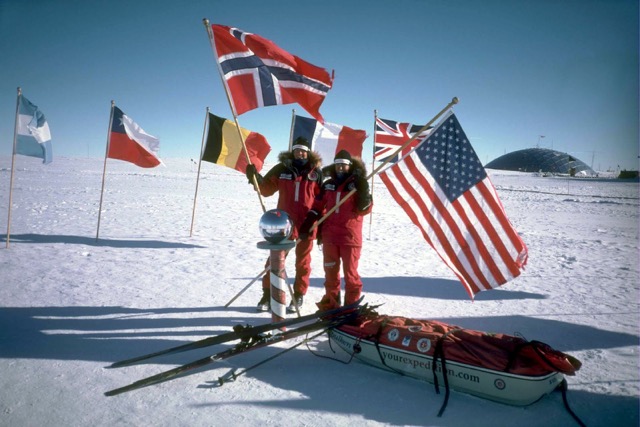
(2015-07-28) Torgeir writes: while I was stuck in high school, Liv led the first unsupported woman's crossing of the Greenland Ice Cap. A few years later, Liv made international headlines by becoming the first woman in the world to ski solo and unsupported to the South Pole -- a 50-day expedition of some 745 miles (1,200 km). I'm very proud that Liv has joined our crew on Kon-Tiki2. Check her fantastic career and her new important focus on access to water at her web site.
Building two rafts with one team
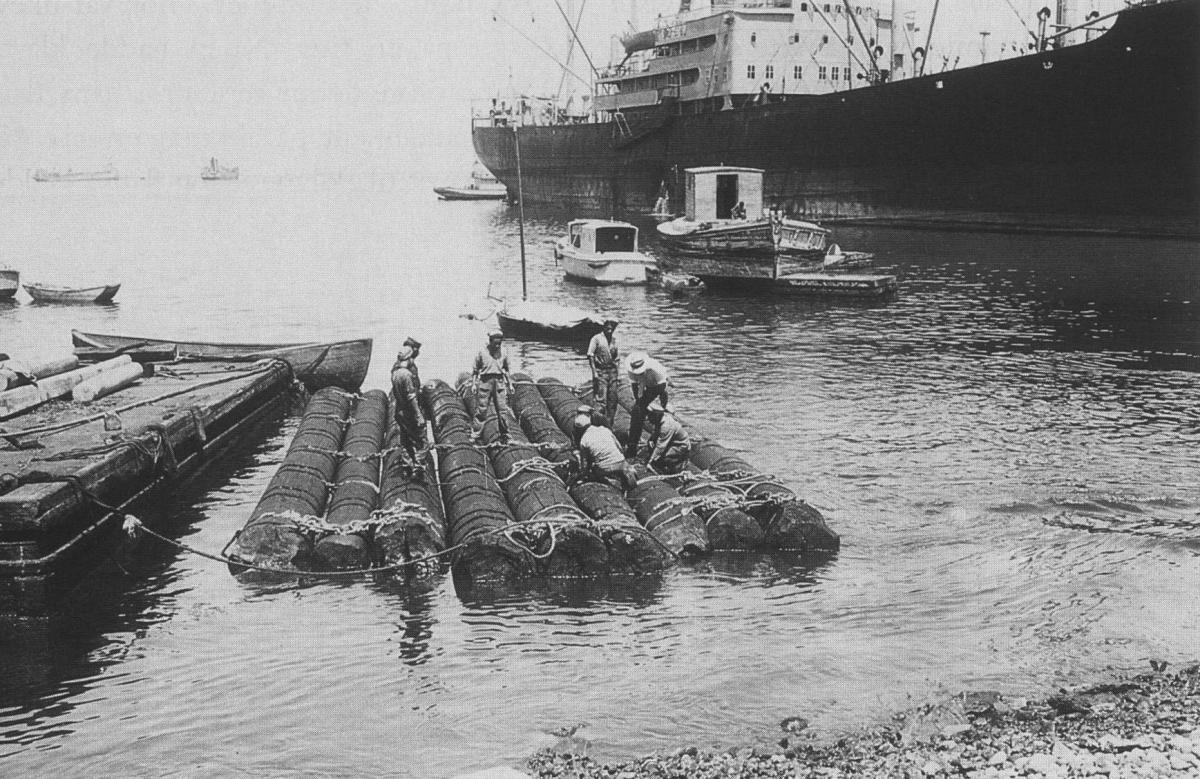


(July 2015) Kon-Tiki2 has become a big team. In September we all gather in Callao with the Peruvian Navy in Escuela Naval (photo) to construct the two rafts made of balsa selected with help from 3A Composites. "I take part in this because it is exciting to try to understand our forefathers way of thinking, to use the nature as a tool to make navigation on the big ocean possible, to work with the nature", says Espen Rathe, one of the team members. Katarina Kierulfova from Slovakia look forward to make an oceangoing vessel out of balsawood, bamboo and reed. "At Fosen Folkehøgskole I found out how much I enjoy making boats, although I grew up in a country with no coastline". Kirstine Schøler Hjort, a Danish raft builder who also has background from Fosen FHS, wants to understand the theories of Thor Heyerdahl. "I want to learn how to make boats the traditional way, to use ancient tools and to sail a boat without engine. Now I can use my skills and at the same time take part in a cool project."
Which satellite transceiver will get us online?


(July 2015) In 2008, the Tangaroa expedition used this fabulous antenna to stay in touch. Some things have changed since then: Opera Mini offers compressed web connections and new, and smaller, hardware have arrived. For example, the Iridium GO and the IsatHub iSavi are relatively affordable units that connect on-raft devices to the internet through satellites. To the seasoned marine electronic geeks out there: what connection would you trust the most – a vintage Nera F77 or the newer devices?
Workshop


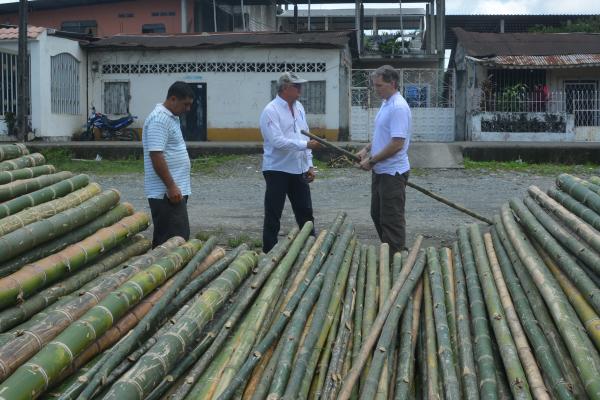


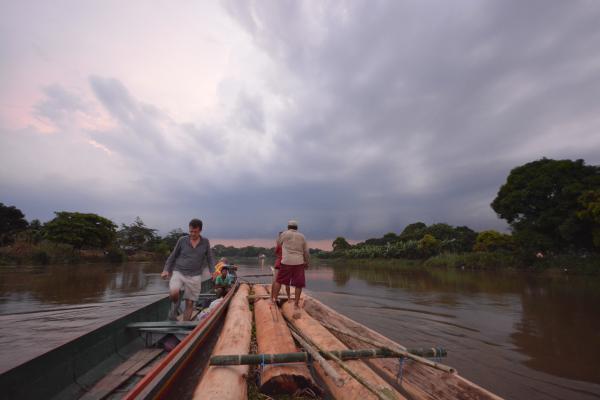


(March 2015) The best balsa comes from plantations in Ecuador. Here are some pictures from our journey to find the very best trees, which will float to Easter Island – and back! In these pictures you can see expedition leader Torgeir Higraff and his crew selecting balsa and bamboo for the rafts. Thanks to our sponsor AirexBaltekBanova, this massive massive undertaking is possible.